
Explainer: Why fall TV looks so different this year
Production schedules are still rebalancing after last year's labor disputes.

Fall premiere dates are spread across more weeks than usual, with several flagship series skipping the traditional fall slot entirely.
Ripple effects from last year's labor action are still shaping which shows premiere when — and how networks budget around them.
What we know so far
- Premiere window stretches into November.
- Several reality shows fill gaps.
- Episode orders are smaller on average.
- International co-productions are up sharply.
The schedule reality
Production cycles haven't fully snapped back.
What this means for viewers
Fewer wide premieres, more rolling launches.
How to use this explainer
Explainers are designed to give you a durable mental model of a topic, not a play-by-play of today's news. Bookmark this page if you expect to come back to the subject — we update explainers periodically as the underlying facts change, and the structure is intended to make it easy to find the section you need without re-reading the whole article.
What this signals for the industry
Entertainment headlines often double as business stories. A box-office number, a streaming deal, a festival lineup, or a casting choice can quietly redraw incentives for studios, platforms, and talent. We try to flag those second-order effects rather than treat each release as a standalone moment. Where a development is part of a larger industry shift — bundling, windowing, contract structures, international co-productions — we link to our prior coverage so readers can follow the through-line.
What to watch next
Audience response over the next two weekends, holdover data, social-media sentiment, and any follow-on announcements from rivals will usually determine whether this story is remembered as a turning point or a one-week blip. We will update accordingly.
How we're reporting this story
The Fresh Pulse follows developing news using publicly available reporting, official statements, court filings, agency press releases, and primary-source documents whenever they are available. We aim to publish a fast, plain-English summary of what is confirmed, what is contested, and what is still unknown — and then update the page as new information comes in. Where details remain unclear, we say so plainly rather than fill the gap with speculation. Our priority is to give readers a stable, accurate baseline they can return to throughout the day, even as cable coverage cycles through new angles every few minutes.
What we still don't know
Several pieces of the story remain open. Reporting from competing outlets sometimes diverges on numbers, timing, or motive in the first 24 to 48 hours of a developing event, and early figures are often revised once primary sources release official tallies. Until those confirmations land, we treat single-source claims as provisional. Readers should expect specific numbers in this article to shift as agencies, courts, companies, or independent investigators publish their own findings. We will mark significant changes in the update log at the top of the page rather than silently rewriting earlier text.
Why context matters here
It is easy for a single headline to land without the framing readers need to make sense of it. A new policy, a market move, a court ruling, or a scientific result almost always sits inside a longer arc — previous decisions, prior precedents, related programs, or earlier studies that shape what the latest news actually means. We try to surface that background in plain language so the story does not arrive as an isolated shock. Where a topic has a long history, we link to our explainers and prior coverage so the reader can go as deep as they want without losing the thread of the main update.
How to follow this story
If you want to stay current as new details emerge, the most reliable approach is to follow primary sources directly: the relevant agency newsroom, the official court docket, the company's investor relations page, or the verified accounts of the people closest to the story. Social media will move faster, but it will also be wrong more often. The Fresh Pulse will continue updating this page as confirmed information arrives, and our daily briefing will summarize any meaningful overnight developments so you do not have to refresh feeds to keep up.
A note on corrections
If you spot an error in this article — a date that does not match a primary source, a misattributed quote, a number that has since been revised, or a name we have misspelled — please write to corrections@thefreshpulse.com and we will review it promptly. Material corrections are noted at the bottom of the article along with the date and time of the change. Our goal is to be transparent about what we got wrong, not to quietly edit the record.
The questions we're tracking
As this story moves, a handful of questions tend to drive the reporting forward: what changed, who decided, when does it take effect, who is affected first, what does enforcement or implementation actually look like in practice, and what recourse — legal, political, financial, or procedural — is available to people who disagree with the outcome. We use that checklist as a working outline for updates. When a new piece of reporting answers one of those questions definitively, we promote it into the main summary at the top of the page. When competing accounts disagree, we keep the disagreement visible rather than picking one and moving on.
How this fits into our wider coverage
The Fresh Pulse organizes coverage around a small number of long-running beats — U.S. News, Money, Tech and AI, Sports, Entertainment, Weather, and Viral — so that individual stories accumulate into something a regular reader can actually follow over time. If this article is your first encounter with the topic, the category page collects our recent reporting in one place; the related-stories module below surfaces the pieces most relevant to this particular update. Newsletter subscribers get a curated digest of the most consequential developments across every beat, including the slower-moving stories that rarely break through the daily noise.
Sources and methodology
Where this article cites specific numbers, those figures are drawn from the most authoritative public source we could verify at publication time — agency releases, official filings, peer-reviewed studies, regulated disclosures, or on-the-record reporting from named outlets. We avoid relying on single anonymous sources for load-bearing claims. When a figure carries a meaningful margin of error, or when methodologies differ across sources, we try to say so rather than picking the most dramatic number. If you would like to see the underlying source for a specific claim, write to hello@thefreshpulse.com and we will point you to it.
What comes next
Mid-season slots get unusually crowded; expect heavy marketing pushes in January.
This story is developing. Last updated June 12, 2026, 9:00 AM PDT.
DailyPulse
Get the day's biggest updates in plain English.
More to read
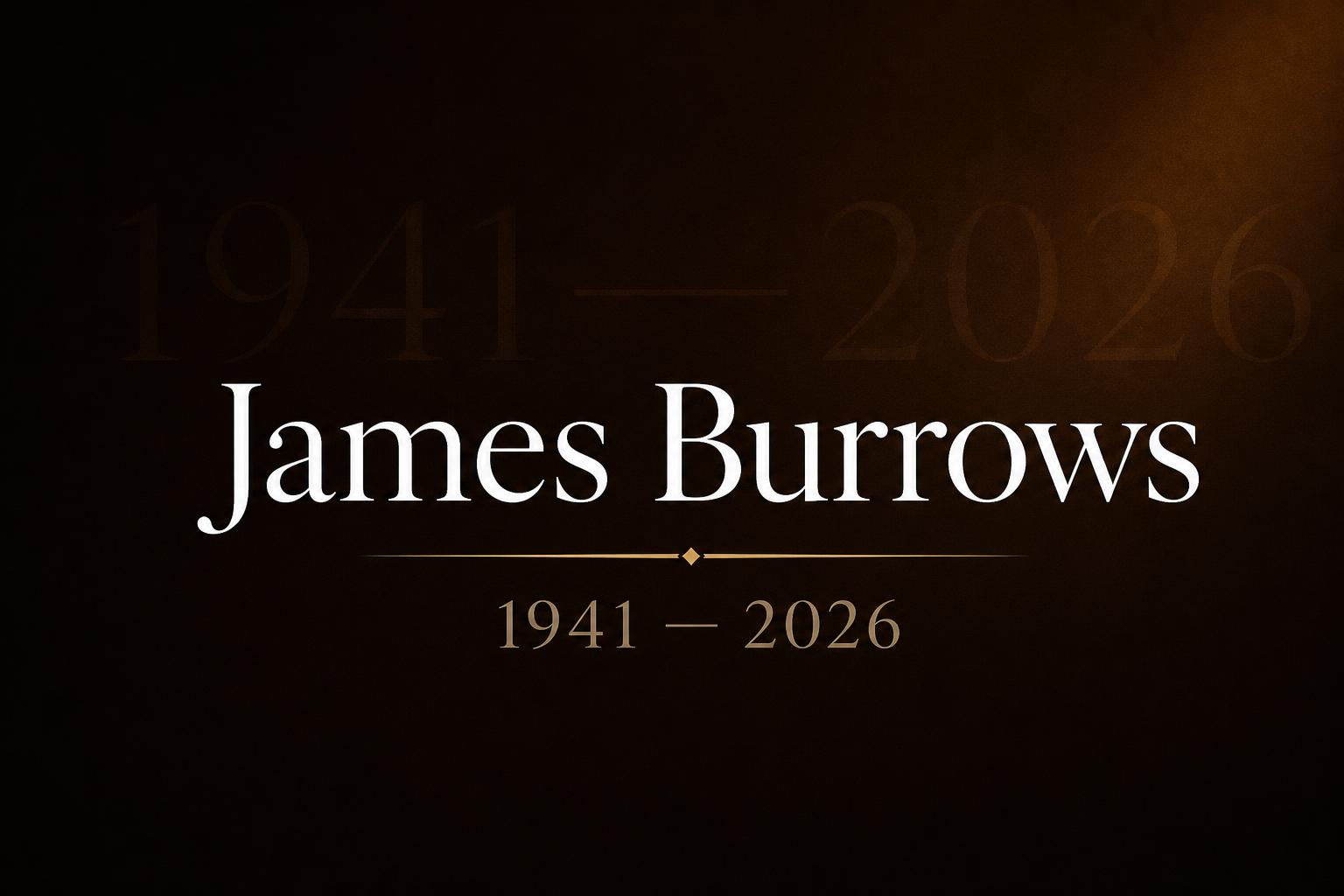
James Burrows, 85, Dies: The Man Who Made America Laugh for 50 Years
He co-created Cheers, directed every episode of Will & Grace, and launched Friends, Frasier, and The Big Bang Theory. The most important television director who ever lived was 85.

Major streamers move toward bundled subscriptions as growth slows
Two of the largest services confirmed a joint bundle, with others reportedly in talks.

Summer box office: sequel dominates, original holds steady
The weekend's #1 cleared $112M domestic, while last week's original kept 62% of its audience.
Comments
Sign in to join the conversation.
Sign in or create an account